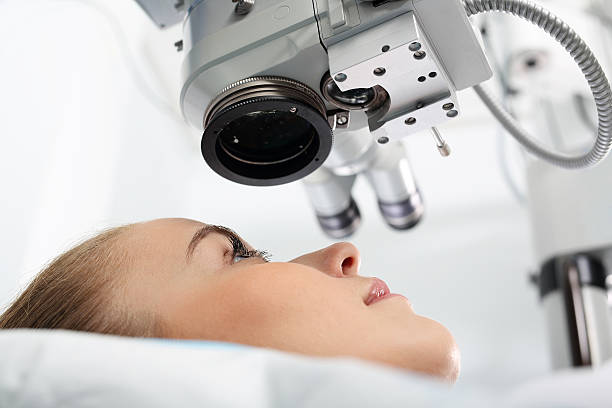
Regular eye exams are a critical step in achieving this goal. Many adults underestimate the importance of these appointments, especially if they aren’t experiencing noticeable vision issues. However, routine check-ups with an eye doctor go far beyond simply determining whether you need glasses or contact lenses.
Early Detection of Eye Diseases
One of the most compelling reasons to schedule regular eye exams is their ability to detect serious eye conditions early, often before symptoms develop.
- Cataracts: While cataracts primarily affect older adults, early diagnosis allows for planning treatment strategies to maintain clarity in vision.
- Age-Related Macular Degeneration (AMD): Early detection and lifestyle changes can slow progression and preserve central vision.
- Diabetic Retinopathy: For individuals with diabetes, regular eye exams can identify damage to the retina caused by high blood sugar levels.
By spotting these conditions early, your eye doctor can recommend interventions or treatments that safeguard your sight.
Monitoring Vision Changes Over Time
Vision changes often occur gradually and may not be immediately noticeable. Regular visits ensure that subtle declines in visual acuity or other issues are promptly addressed.
- Evaluating how well your current prescription meets your needs.
- Identifying signs of digital eye strain caused by prolonged screen use.
- Addressing dry eyes or discomfort related to environmental factors.
Health Beyond the Eyes
The eyes serve as windows into your overall health.
| Health Issue | Indicators Seen During Eye Exams |
| High Blood Pressure | Abnormal blood vessels in the retina |
| Diabetes | Swelling or bleeding in retinal tissue |
| High Cholesterol | Deposits in corneal arteries |
| Autoimmune Disorders | Inflammation inside the eyes |
These insights allow early intervention not only for ocular issues but also for broader health concerns.
Enhancing Quality of Life Through Clear Vision
Clear vision is essential for tasks ranging from reading and driving to enjoying hobbies and maintaining independence.
- Visual comfort during daily activities.
- Safety by reducing risks associated with poor eyesight.
- Productivity and performance at work or school.
For those without corrective lenses, periodic checks ensure no emerging issues go unnoticed.
When Should Adults Schedule Eye Exams?
The American Optometric Association recommends that adults aged 18–64 have a comprehensive exam at least once every two years if they are asymptomatic and low-risk. However, individuals with certain risk factors—including a family history of glaucoma, diabetes, or previous vision problems—may need more frequent evaluations based on their doctor’s guidance.
Regular adult eye exams are fundamental not only for protecting your eyesight but also for maintaining overall health and quality of life. By prioritizing these appointments, you invest in long-term wellness while preventing potential complications down the road.
How a Houston TX optometrist Can Help Detect Eye Diseases Early Through Routine Exams
Many eye conditions develop gradually and may not exhibit noticeable symptoms in their initial stages. By the time symptoms appear, irreversible damage to vision or overall eye health may have already occurred.
Common Eye Diseases Detected Through Early Exams
- Cataracts: Cataracts develop slowly over time, causing clouding of the lens that leads to blurred or dim vision. Early detection allows for monitoring and planning surgical intervention if necessary.
- Macular Degeneration: This condition affects central vision and is a leading cause of blindness. Detecting early signs during an exam can help slow its progression through lifestyle changes and treatment options.
- Diabetic RetinopathyAnnual dilated eye exams are critical for diabetic patients to catch it early.
Diagnostic Tools Used During an Eye Exam
| Test Name | Purpose |
| Visual Acuity Test | Measures sharpness of vision at different distances |
| Tonometry | Tests intraocular pressure, aiding glaucoma detection |
| Retinal Examination | Identifies abnormalities in the retina and optic nerve |
| Slit-Lamp Examination | Magnifies structures within the eye for precise inspection |
Benefits of Early Detection
- Prevent Vision Loss: Many conditions are treatable when caught early.
- Reduce Treatment Costs: Addressing diseases before they worsen often minimizes expensive treatments or surgeries later on.
- Improve Quality of Life: Maintaining good eyesight ensures independence and productivity.
Who Should Prioritize Regular Eye Exams?
- People over 40 (higher risk for age-related conditions like glaucoma).
- Individuals with chronic conditions such as diabetes or hypertension.
- Those with a family history of eye diseases.
Prioritizing regular appointments with your optometrist or ophthalmologist is key to preserving long-term visual health.

Discover How Optometry in Houston TX Can Detect Underlying Health Issues
Eye health is intrinsically linked to overall bodily health. Comprehensive eye exams go beyond assessing your vision—they can also uncover signs of underlying health issues that may otherwise go unnoticed. This makes routine eye exams a critical component of preventive healthcare.
Common Health Conditions Detected Through Eye Exams
A thorough eye exam can reveal early indicators of systemic medical conditions.
- High Cholesterol: Deposits in the corneas or blockages in retinal vessels are potential warning signs.
- Autoimmune Disorders: Inflammation spotted during an eye exam could indicate an autoimmune disease like lupus or rheumatoid arthritis.
- Thyroid Problems: Bulging eyes, often associated with thyroid dysfunction like Graves’ disease, can also be identified during an exam.
Components of a Comprehensive Eye Exam
- Visual Acuity Tests: Measures how well you see at different distances using an eye chart.
- Tonometry: Tests for intraocular pressure, which helps detect glaucoma.
- Retinal Examination (Ophthalmoscopy): The doctor examines the back of your eyes, including the retina and optic nerve, for abnormalities.
- Pupil Dilation: Expanding your pupils allows for a more detailed examination of internal structures within the eyes.
- Slit-lamp Examination: Assesses structures at the front of the eye such as the cornea, lens, and iris for any abnormalities.
These tests collectively provide critical insight into your ocular health while offering clues regarding potential systemic conditions.
Why Early Detection Matters
Early detection through regular comprehensive eye exams is vital for effective management and treatment of both ocular and general health problems.
- Identifying diabetic retinopathy early can prevent severe vision loss through timely interventions like laser therapy or injections.
- Catching hypertension early reduces risks associated with cardiovascular events like strokes or heart attacks.
- Detecting high cholesterol may prompt lifestyle changes or medications to lower levels before complications arise.
The integration between vision care and general healthcare underscores why prioritizing routine comprehensive exams is so important.
Table: Symptoms Detected During Eye Exams and Their Linked Conditions
| Symptom Found During Eye Exam | Potential Linked Condition |
| Retinal Hemorrhages | Diabetes / Hypertension |
| Yellowish Plaques on Eyelids | High Cholesterol |
| Bulging Eyes | Thyroid Disorders |
| Optic Nerve Swelling | Intracranial Pressure / Neurological Issues |
By investing time in regular comprehensive exams, you not only safeguard your eyesight but also gain valuable insights into your overall health—allowing for timely action if concerns arise. This proactive approach plays a vital role in maintaining long-term well-being through early recognition and management of potential risks affecting both vision-related and systemic conditions alike.
How Often Should You Visit an Eye Clinic Houston TX to Protect Long-Term Vision Health
Maintaining optimal eye health is essential for overall well-being, and scheduling regular eye exams plays a significant role in protecting your long-term vision. The frequency of eye exams can vary based on factors such as age, medical history, and lifestyle. Below are guidelines and considerations to help you determine how often you should visit an eye care professional.
Recommended Frequency of Eye Exams
- First exam at 6–12 months
- At least once every 1–2 years after the first visit if no vision issues are detected
- Every 2 years if there are no known vision problems or risk factors
- Annually if you wear corrective lenses, have a family history of eye disease, or work in environments that strain the eyes
- Yearly exams are recommended due to the higher risk of developing conditions like cataracts, glaucoma, and macular degeneration
Factors That May Influence Eye Exam Frequency
Certain individuals may need more frequent checkups depending on their specific circumstances.
- Chronic Health Conditions:
People with diabetes, hypertension, or autoimmune disorders may require annual or semi-annual exams as these conditions can affect the eyes over time. - Family History:
A family history of glaucoma, macular degeneration, or other hereditary eye diseases increases the need for close monitoring. - Vision Correction Needs:
Those who wear eyeglasses or contact lenses should have their prescriptions reviewed annually to ensure optimal clarity and comfort. - Lifestyle Risks:
Prolonged exposure to digital screens or UV light can strain the eyes and increase risks of certain conditions like dry eye syndrome. - Eye Symptoms:
Sudden changes in vision—such as blurriness, floaters, or pain—warrant immediate attention from an optometrist or ophthalmologist regardless of your last exam date.
Benefits of Regular Eye Exams
| Benefit | Description |
| Early Detection of Diseases | Conditions like glaucoma and cataracts show few symptoms initially but can be identified during an exam. |
| Monitoring Systemic Health | Signs of diabetes, high blood pressure, and even certain neurological disorders can appear in ocular evaluations. |
| Vision Stability | Adjusting prescriptions promptly ensures long-term clarity and reduces headaches caused by outdated lenses. |
Tips for Staying on Track with Eye Care
- Schedule appointments at consistent intervals based on your age group and health needs.
- Keep track of any noticeable changes in your vision between visits.
- Wear sunglasses with UV protection during outdoor activities.
- Practice good screen hygiene by following the 20-20-20 rule: Look away from screens every 20 minutes at something 20 feet away for at least 20 seconds.
- Maintain a balanced diet rich in nutrients like lutein, zeaxanthin, Vitamin A, C & E that support healthy eyes.
By adhering to these recommendations and consulting with your optometrist regularly, you can safeguard one of your most valuable senses—your vision—for years to come.
How Often Should You Get an Eye Exam to Protect Long-Term Vision Health
Regular eye exams are a critical component of maintaining optimal vision health over the course of your life. However, the frequency at which you should schedule these exams depends on a variety of factors, including your age, family history, general health, and whether or not you currently wear corrective lenses. Below, we explore how often different groups should see an eye care professional to protect their long-term vision.
General Recommendations for Eye Exam Frequency
- If you have no known vision problems or risk factors: every 2 years.
- If you wear glasses or contact lenses: every 1-2 years to ensure your prescription is up-to-date.
- If specific risk factors like diabetes or high blood pressure are present: annually or as recommended by your doctor.
- Every 1-2 years, as natural age-related changes in vision become more common during this period.
- Annual visits may be necessary if there is a family history of glaucoma, macular degeneration, or other hereditary eye conditions.
- Annual exams are strongly recommended due to the increased prevalence of cataracts, glaucoma, and age-related macular degeneration in this age group.
Key Factors That May Require More Frequent Eye Exams
- Chronic Conditions
People with medical conditions such as diabetes or hypertension are at a higher risk for developing disorders like diabetic retinopathy and hypertensive retinopathy. Regular monitoring helps catch these issues early. - Family History
- Occupational Hazards
Individuals who work in visually demanding environments—such as prolonged computer screen use—or those exposed to debris or chemicals may need periodic assessments to prevent strain or injury. - Use of Prescription Medications
Some medications can impact eye health over time (e. g. , corticosteroids). Routine check-ups can monitor any adverse effects on the eyes.
Benefits of Regularly Scheduled Eye Exams
| Benefit | Description |
| Early Detection | Identifies silent eye diseases like glaucoma before symptoms develop |
| Monitoring Systemic Health | May reveal signs of systemic conditions such as high cholesterol and diabetes |
| Optimized Vision | Ensures clear and comfortable sight through updated prescriptions |
| Maintaining Independence | Helps seniors preserve independence by preventing advanced vision loss |
By adhering to these schedules and addressing any individual risk factors with your optometrist or ophthalmologist, you safeguard not only your current eyesight but also future-proof your ability to maintain healthy vision throughout life. Be proactive about protecting one of your most vital senses—your sight—and schedule an exam today if it’s been longer than recommended for your age group or health profile.
- Finding the Right Eye Clinic Houston TX: Understanding the Role of an Ophthalmologist Across All Ages
- 8 Essential Eye Tests Included in a Comprehensive Optometry Houston TX Exam
- How A Houston TX Eye Doctor Can Help You Maintain Healthy Vision With Regular Adult Eye Exams
- How to Choose the Right Houston TX Optometrist and Understand the Difference from an Ophthalmologist
- Choosing the Right Eye Doctor at an Eye Clinic Houston TX: Optometrist vs. Ophthalmologist
- The Importance of Visiting a Houston TX Eye Doctor for Comprehensive Eye Care as You Age