
When it comes to maintaining optimal eye health, many people may feel uncertain about where to turn for care. Two of the most common eye care providers are ophthalmologists and optometrists. While both professionals play a critical role in preserving vision, they have distinct qualifications, expertise, and scopes of practice. Understanding these differences is key to selecting the right specialist for your needs.
Education and Training
| Profession | Education Path | Training Length |
| Ophthalmologist | – Undergraduate degree (4 years) | |
| – Medical school (4 years) | ||
| – Internship (1 year) | ||
| – Residency in ophthalmology (3-4 years) | Approx. 12-13+ years | |
| Optometrist | – Undergraduate degree (3-4 years) | |
| – Doctor of Optometry (O.D.) program (4 years) | Approx. 7-8 years |
Ophthalmologists are medical doctors with advanced training in diagnosing and treating complex eye diseases, performing surgical procedures, and managing long-term vision issues. Optometrists focus on primary vision care, including prescribing glasses or contact lenses and diagnosing less severe conditions.
Scope of Practice
- Comprehensive medical exams to diagnose complex conditions like glaucoma or retinal disorders
- Surgical procedures such as cataract removal, LASIK, or corneal transplants
- Treatment of systemic diseases that affect the eyes, such as diabetes or hypertension
- Management of advanced age-related conditions like macular degeneration
- Vision tests to determine corrective lens prescriptions
- Detection of common eye conditions such as dry eyes or minor infections
- Basic management of refractive errors like nearsightedness or farsightedness
- Referrals to ophthalmologists when surgical intervention is needed
While optometrists provide excellent primary care for everyday vision needs, ophthalmologists bring a higher level of expertise in advanced diagnostics and treatments.
When Should You See an Ophthalmologist vs. an Optometrist?
- You need a routine eye exam to update your prescription for glasses or contact lenses
- You’re experiencing mild symptoms like blurry vision or eyestrain
- You have been diagnosed with a serious eye condition requiring medical management (e. g.
- Surgical treatment has been recommended for cataracts or other issues
- You experience sudden changes in vision, pain, or trauma to the eyes
Key Takeaways
- Optometrists serve as primary eye care providers for routine needs like corrective lenses.
- Ophthalmologists are highly trained medical doctors equipped to manage serious eye diseases and perform surgeries.
- Regular visits to either professional can help preserve eyesight while addressing potential concerns early.
By selecting the right provider based on your unique requirements, you can take proactive steps toward long-term visual health while ensuring specialized attention when needed most.
Comprehensive Optometry Houston TX Education and Training
When it comes to eye health, ophthalmologists are among the most highly trained medical professionals. Their education and training journey is rigorous, extensive, and designed to prepare them for diagnosing and treating a wide range of eye conditions. Understanding the depth of their preparation can help you appreciate their expertise in safeguarding your vision.
The Path to Becoming an Ophthalmologist
To become an ophthalmologist, individuals must complete several stages of education and training.
- Typically 4 years
- Focus on obtaining a bachelor’s degree with pre-med courses such as biology, chemistry, physics, and mathematics.
- 4 years of medical training
- The first two years focus on foundational medical sciences (e. g. , anatomy, pharmacology).
- Final two years involve clinical rotations, including exposure to various specialties.
- 1 year of general medical or surgical internship.
- This year is crucial for gaining hands-on experience in patient care.
- 3-4 years in a specialized residency program.
- Includes intensive training in diagnosing and managing eye diseases, performing surgeries (e. g. , cataract removal), and understanding advanced diagnostic techniques.
- An additional 1-2 years for subspecialty training.
- Subspecialties include areas like pediatric ophthalmology, glaucoma management, retinal surgery, or corneal diseases.
Key Skills Acquired During Training
- Mastery of detailed ocular anatomy and physiology.
- Proficiency in using advanced equipment like optical coherence tomography (OCT) or slit-lamp microscopes.
- Surgical precision for procedures such as LASIK or cataract surgery.
- Understanding systemic diseases (e. g. , diabetes) that can affect vision.
A Comparison Table: Ophthalmologist vs Optometrist Training
| Aspect | Ophthalmologist | Optometrist |
| Education Duration | ~12+ years | ~7–8 years |
| Degree | MD or DO | Doctor of Optometry (OD) |
| Clinical Internship | Yes | No |
| Surgical Training | Yes | No |
| Specialization Opportunities | Multiple Subspecialties | Limited (e.g., contact lenses expertise) |
Why Their Training Matters
The extensive education required to become an ophthalmologist ensures they are prepared to handle complex situations ranging from routine checkups to advanced treatments like corneal transplants or retinal detachment repairs. Their deep understanding of both systemic health issues and ocular conditions enables them to provide comprehensive care tailored to each patient’s needs.
Regular visits to an ophthalmologist are particularly important if you have risk factors such as diabetes, hypertension, a family history of eye disease, or age-related concerns. By choosing a well-trained specialist with this level of preparation behind them, you’re making a vital investment in your long-term vision health.
Ophthalmologists play a critical role in maintaining and improving vision health across all stages of life. From addressing childhood eye conditions to managing age-related vision issues, their expertise is essential in ensuring optimal eye care for individuals of every age group. Below, we explore how ophthalmologists contribute to the eye health of people at different life stages.
Pediatric Eye Care
Vision development begins at birth, and early detection of eye conditions is crucial for children.
- Strabismus: Misalignment of the eyes, commonly referred to as crossed eyes.
- Amblyopia (Lazy Eye): A condition where one eye has weaker vision due to improper visual development.
- Congenital Cataracts: Cloudiness in the lens present at birth that may require surgical intervention.
- Refractive Errors: Issues like nearsightedness or farsightedness that may necessitate prescription glasses.
Pediatric ophthalmologists also monitor overall visual development and provide guidance on preventing digital eye strain caused by excessive screen time—an increasingly common concern among children today.
Adult Eye Care
As individuals transition into adulthood, their vision needs evolve. Many common eye issues emerge or worsen during this phase, requiring regular monitoring by an ophthalmologist.
- Refractive Surgeries: Procedures like LASIK or PRK to correct refractive errors and reduce reliance on glasses or contact lenses.
- Glaucoma
- Diabetic retinopathy
- Dry eye syndrome
- Eye Trauma or Injuries: Prompt evaluation and treatment to preserve eyesight after accidents or injuries affecting the eyes.
Routine comprehensive exams are especially vital for adults with preexisting conditions, such as diabetes, hypertension, or autoimmune diseases, as these can directly impact ocular health.
Geriatric Eye Care
In older adults, maintaining vision becomes increasingly important due to age-related changes and diseases that can impair daily functioning and quality of life.
| Condition | Description | Treatment Options |
| Cataracts | Clouding of the lens leading to blurry vision | Surgery to replace cloudy lenses |
| Macular Degeneration | Deterioration of central retina causing vision loss | Injections or laser therapy |
| Glaucoma | Increased pressure damaging the optic nerve | Medications or surgical procedures |
| Diabetic Retinopathy | Damage caused by diabetes-related blood vessel changes | Laser treatments or injections |
Regular check-ups also include screening for retinal detachments and other emergencies that are more likely with aging eyes.
Why Timely Care Matters Across All Ages
Ensuring timely access to an ophthalmologist at each stage is critical because many serious conditions can progress without noticeable symptoms in their early phases. Early diagnosis enables effective intervention before irreversible damage occurs.
By understanding the distinct needs associated with each age group—and seeking appropriate care when necessary—you can significantly enhance your chances of maintaining good eyesight throughout your lifetime.

Understanding the Role of an Ophthalmologist Across Different Age Groups
Ophthalmologists play a crucial role in maintaining and improving eye health across all stages of life. From newborns to older adults, these medical doctors provide a wide range of specialized care tailored to different age groups. Let’s explore how their expertise supports individuals’ vision and eye health at various stages of life.
Early Childhood: Monitoring Developmental Eye Health
The early years are vital for detecting and addressing potential issues that could impact lifelong vision.
– Amblyopia (Lazy Eye):A common childhood condition where one eye does not develop proper vision due to misalignment or refractive differences. Early intervention is critical for successful treatment.Strabismus (Crossed Eyes):Misalignment of the eyes that can affect depth perception and visual development.Congenital Cataracts:While rare, cataracts present at birth require prompt surgical intervention to prevent permanent vision loss.
Routine pediatric eye exams are essential during these years to identify any undiagnosed refractive errors, such as nearsightedness or farsightedness, which may interfere with academic performance and overall quality of life.
Adolescence and Young Adulthood: Supporting Vision Changes
During adolescence and young adulthood, individuals often experience changes in their visual needs due to growth or increased screen time.
– Refractive Errors:Myopia (nearsightedness) often progresses in adolescence. Proper prescription lenses or contact lenses are necessary to ensure clear vision.Digital Eye Strain:With the growing use of digital devices, many young people experience symptoms like dry eyes, headaches, and blurred vision.Eye Injuries:Sports-related injuries are common in this age group. Ophthalmologists manage both surgical and non-surgical treatments for trauma affecting the eyes.
Additionally, they may discuss options like refractive surgery (e. g. , LASIK) with eligible candidates seeking alternatives to glasses or contacts once adulthood is reached.
Middle Age: Managing Emerging Conditions
As individuals enter their 40s or 50s, age-related changes begin affecting their vision.
1.Presbyopia:The natural loss of near focusing ability that typically starts around age 40. Reading glasses or multifocal lenses may be prescribed.
2.Dry Eye Syndrome:Hormonal changes can exacerbate dry eye symptoms, especially in women during menopause. 3.Glaucoma Screening:Regular testing is vital for detecting early signs of glaucoma before significant vision loss occurs.
Middle-aged patients also benefit from comprehensive dilated eye exams to monitor for other systemic health conditions—such as diabetes—that can impact ocular health.
| Condition | Typical Onset Age | Common Symptoms | Treatment Options |
| Presbyopia | Around 40 | Difficulty reading small print | Reading glasses, bifocals |
| Glaucoma | Mid-life onward | No early symptoms; gradual vision loss begins peripherally | Medication, laser therapy, surgery |
| Dry Eye Syndrome | 40+ | Burning sensation, itchiness | Artificial tears, environmental adjustments |
Senior Years: Preserving Vision Amid Aging
In older adults over the age of 60, maintaining quality eyesight requires managing more advanced ocular diseases such as: – Cataracts:Clouding of the lens leading to blurry or dimmed vision; treated effectively through surgery.Age-Related Macular Degeneration (AMD):A condition affecting central vision due to retinal damage; treatments include injections and lifestyle adaptations.Diabetic Retinopathy:Diabetic patients are at risk of retina damage caused by high blood sugar levels; regular monitoring helps minimize complications.
Frequent check-ups allow ophthalmologists to provide timely interventions that prioritize independence and quality of life for aging individuals.
Conclusion
From infancy through senior years, ophthalmologists adapt their care techniques based on the unique needs associated with each stage of life. By addressing everything from developmental concerns in children to complex conditions seen in older adults, they help ensure optimal visual outcomes across generations. Regular interactions with an experienced ophthalmologist remain integral to protecting long-term eye health at every milestone in life’s journey.
Choosing the Best Houston TX Eye Doctor: Optometrist vs.
Choosing between an optometrist and an ophthalmologist is crucial when it comes to addressing your vision and eye health needs. While both professionals play significant roles in maintaining healthy vision, understanding their differences can help you make a more informed decision based on your specific requirements.
Key Differences Between Optometrists and Ophthalmologists
| Aspect | Optometrist | Ophthalmologist |
| Education & Training | Bachelor’s degree + 4 years of optometry school | Bachelor’s degree + 4 years of medical school + 3-7 years of residency/fellowship |
| Scope of Practice | Primarily vision care, prescribing glasses/contact lenses, diagnosing certain eye conditions | Comprehensive eye care, including surgeries such as cataracts or LASIK |
| Surgical Procedures | Not licensed to perform surgeries | Licensed to perform minor and major eye surgeries |
| Specializations Available | No subspecialties | Multiple subspecialties (e.g., retina, glaucoma, cornea) |
When Should You See an Optometrist?
Optometrists are the primary point of contact for routine vision care. They are highly skilled in diagnosing common eye conditions and providing corrective solutions.
– A comprehensive eye exam for updating your glasses or contact lens prescription
– Management of nearsightedness, farsightedness, astigmatism, or presbyopia
– Diagnosis and management of mild conditions like dry eyes or conjunctivitis (pink eye)
– Preventative care monitoring for early signs of chronic issues such as glaucoma
In most cases, optometrists also collaborate with ophthalmologists if advanced treatment or surgery is required.
When Should You Consult an Ophthalmologist?
Ophthalmologists specialize in advanced medical treatments for complex or severe eye conditions.
– Sudden loss of vision or significant changes in visual clarity
– Eye injuries or trauma requiring immediate attention
– Advanced retinal disorders such as macular degeneration or diabetic retinopathy
– Eye diseases like cataracts requiring surgical intervention
– Chronic conditions including glaucoma requiring long-term management
Additionally, patients seeking refractive surgery procedures like LASIK or managing rare genetic ocular disorders would benefit from consulting an ophthalmologist with expertise in these areas.
Collaborative Approach to Eye Care
It’s worth noting that both optometrists and ophthalmologists often work together to provide comprehensive care.
1. An optometrist may initially detect signs of cataracts during a routine exam and refer you to an ophthalmologist for surgery.
2. Post-surgery follow-up care may be managed by your optometrist under the guidance of the operating surgeon.
This collaborative model ensures seamless coordination between professionals while prioritizing patient outcomes.
What Factors Should You Consider?
When deciding between these specialists, consider these factors:
1.Condition Severity:Minor issues like refractive errors may be addressed by an optometrist; severe problems often require an ophthalmologist’s expertise. 2.Accessibility:Optometrists are generally more accessible for routine appointments compared to specialized surgeons. 3.Referrals:Your primary care physician or optometrist can guide you toward the appropriate specialist when necessary. 4.Insurance Coverage:Confirm whether your insurance covers visits to one type of professional over another based on the scope of services provided.
By understanding these distinctions and evaluating your unique needs carefully, you can ensure expert-level care tailored specifically to maintain optimal vision health throughout your life journey.
The Importance of Regular Eye Exams for Maintaining Long-Term Vision Health
Regular eye exams play a critical role in preserving your vision and overall eye health. Many individuals may not prioritize routine visits to an eye doctor, especially if they feel their vision is adequate. However, neglecting these exams can result in undetected conditions that may lead to permanent vision loss or other health issues. Below, we explore why routine eye exams are essential and what they entail.
Why Are Regular Eye Exams Crucial?
- Detecting Eye Diseases Early
Many serious eye conditions, such as glaucoma, cataracts, and macular degeneration, often develop without noticeable symptoms in their early stages. By the time symptoms arise, significant damage may already have occurred. Regular check-ups allow for early detection when treatment is most effective. - Preserving Vision Quality
Changes in vision can occur gradually and may not be immediately apparent. Routine exams ensure that refractive errors (such as nearsightedness or farsightedness) are promptly corrected with updated prescriptions for glasses or contact lenses. - Identifying Systemic Health Conditions
The eyes often provide a window into your overall health. Conditions like diabetes, hypertension, and high cholesterol can manifest through subtle changes in the blood vessels of the retina or other parts of the eye. An eye exam can reveal signs of these systemic diseases early on. - Preventing Vision Loss
Consistent monitoring of your eyes allows professionals to track changes over time and intervene before problems escalate into irreversible vision loss.
Frequency of Eye Exams
| Age Group | Recommended Frequency |
| Children (6 months – 18 years) | At 6 months old, at age 3 years, before first grade; annually thereafter |
| Adults (19 – 40 years) | Every 2 years for healthy individuals |
| Adults (41 – 60 years) | Every 2 years; annually if you have risk factors like diabetes |
| Seniors (60+ years) | Annually |
Risk factors such as a family history of glaucoma or diabetes may necessitate more frequent visits regardless of age group.
What Happens During an Eye Exam?
- Visual Acuity Test:Measures how clearly you see objects at different distances.
- Refraction Test:Determines the best prescription for corrective lenses.
- Eye Pressure Measurement:Uses tonometry to check for signs of glaucoma.
- Retinal Exam:Examines the back part of your eye for abnormalities.
- Slit Lamp Examination:Provides a magnified view to assess structures such as the cornea, lens, and iris.
- Peripheral Vision Test:Identifies blind spots or weaknesses in side vision that could indicate underlying conditions.
Tips for Maintaining Long-Term Vision Health
- Wear sunglasses with UV protection when outdoors.
- Follow the “20-20-20” rule: every 20 minutes spent looking at screens should be followed by looking at something 20 feet away for at least 20 seconds.
- Eat a diet rich in nutrients essential for eye health (e. g. , omega-3 fatty acids, lutein).
- Avoid smoking as it increases the risk of macular degeneration and cataracts.
- Use protective eyewear during activities that pose risks to your eyes (e. g. , sports or working with tools).
By prioritizing regular eye care appointments and adopting healthy habits, you can maintain clear vision well into later life while reducing the risk of preventable complications related to sight.
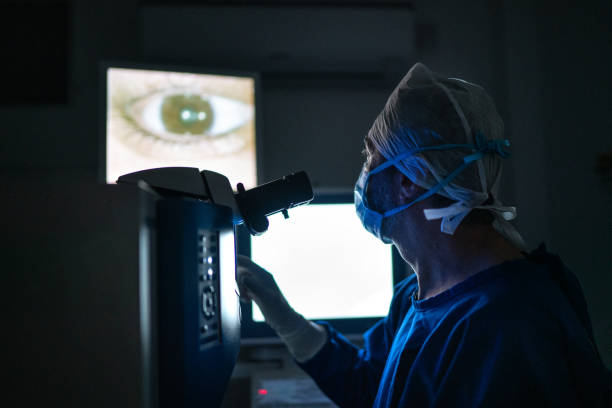
Laser Eye Surgery for Cataracts: What to Expect from This Transformative Procedure
Laser-assisted cataract surgery is a precise and efficient procedure that can significantly improve quality of life for people with this condition. Here’s what patients can expect from this transformative treatment.
Understanding Cataracts and Their Impact
Cataracts develop when the natural lens of the eye becomes cloudy, often due to aging or other factors like diabetes, excessive UV exposure, or smoking.
– Blurry or dim vision
– Difficulty seeing at night
– Sensitivity to light or glare
– Fading or yellowing of colors
When cataracts progress and interfere with daily activities such as driving or reading, surgery is usually recommended.
Pre-Surgery Preparations
Before undergoing laser cataract surgery, patients typically undergo a thorough evaluation by an ophthalmologist.
1.Comprehensive Eye Examination– To assess the severity of cataracts and overall eye health.
2.Measurement of Eye Structures– Special imaging tools measure the size and shape of your eye to customize treatment.
3.Discussion of Intraocular Lens (IOL) Options – Patients choose from various IOLs based on their specific needs:
– Monofocal Lenses: Correct vision for one distance (near or far).
– Multifocal Lenses: Provide focus at multiple distances.
– Toric Lenses: Correct astigmatism.
The Surgical Procedure
Laser-assisted cataract surgery is an outpatient procedure that typically takes 15–30 minutes per eye.
- Use of Anesthetic Drops:Numbing drops are applied to ensure comfort throughout the procedure.
- Laser Precision:A femtosecond laser creates tiny incisions in the cornea and softens the cloudy lens for easier removal.
- Lens Removal:The damaged lens is broken into small pieces using ultrasound technology (phacoemulsification) and carefully removed.
- Placement of Artificial Lens (IOL):A custom IOL is implanted in place of the natural lens to restore clear vision.
The use of lasers enhances precision and minimizes risks compared to traditional methods.
Recovery After Surgery
- Most patients notice improved vision within a few days post-surgery.
- Common side effects like mild discomfort, sensitivity to light, or watery eyes usually resolve within a week.
- Patients are advised to avoid strenuous activities, rubbing their eyes, or exposing them to irritants during recovery.
Typical follow-up care includes:
| Timeframe | Recommended Actions |
|————————–|————————————————-|
| 24 hours post-surgery | Visit your doctor for an initial follow-up exam.
| First week | Use prescribed medicated drops regularly; avoid heavy lifting.
| First month | Attend routine check-ups; report unusual symptoms immediately.
Benefits of Laser-Assisted Cataract Surgery
Laser-assisted cataract removal offers several advantages over traditional methods, including:
– Greater surgical precision through advanced imaging and lasers. – Reduced risk of complications due to smaller incisions. – Faster recovery times with less inflammation post-surgery. – Customizable results tailored to each patient’s unique visual needs.
By choosing laser eye surgery for cataracts when recommended by a qualified ophthalmologist, patients can regain their independence and enjoy clearer vision once again without relying heavily on prescription glasses or contact lenses.
Laser Eye Surgery for Cataracts: What to Expect from This Transformative Procedure
Cataracts, a condition characterized by the clouding of the eye’s natural lens, can significantly impair vision and quality of life. Laser eye surgery has revolutionized the treatment of cataracts, offering patients a safer, more precise, and efficient alternative to traditional surgical methods. Understanding what happens before, during, and after laser-assisted cataract surgery can help you feel prepared and confident about undergoing this transformative procedure.
What Is Laser-Assisted Cataract Surgery?
Laser-assisted cataract surgery is an advanced procedure that uses femtosecond laser technology to enhance precision during key steps of the operation. Unlike conventional cataract surgery that relies solely on hand-held instruments, this method integrates high-resolution imaging systems and laser guidance for improved accuracy.
Key benefits include:
– Enhanced Precision: Lasers make highly accurate incisions in the cornea and lens capsule.
– Improved Safety: A minimally invasive technique reduces risks associated with manual surgical methods.
– Better Outcomes: Greater predictability enhances vision correction results.
Preparing for Laser Cataract Surgery
Proper preparation ensures a smooth process with optimal results.
- Comprehensive Eye Examination: Your ophthalmologist will conduct thorough tests to assess your eye health and determine the severity of the cataracts.
- Lifestyle Discussion: You may be asked about your daily activities and vision goals to help decide which type of intraocular lens (IOL) implant is best suited for you.
- Pre-operative Medications: Antibiotic or anti-inflammatory eye drops may be prescribed before the procedure.
It’s essential to follow all instructions provided by your surgeon ahead of surgery day.
The Procedure Step-by-Step
- Numbing the Eye: The surgeon applies anesthesia in the form of eye drops or injections to ensure comfort throughout the procedure.
- Laser Incisions: A femtosecond laser creates precise incisions in the cornea and lens capsule.
- Lens Fragmentation: The clouded lens is softened using laser energy for easier removal.
- IOL Implantation: A clear artificial intraocular lens (IOL) is inserted into place as a replacement.
This advanced technology minimizes trauma to surrounding tissues while promoting faster recovery.
Post-Surgery Expectations
- Use prescribed medications such as antibiotic drops to prevent infection.
- Avoid strenuous activities or heavy lifting for at least one week.
- Protect your eyes from bright sunlight using sunglasses.
- Schedule regular follow-up appointments with your ophthalmologist.
Most patients experience noticeable improvement in vision within days of surgery, though full recovery may take a few weeks.
| Post-Surgery Timeline | Expected Outcomes |
| First 24 hours | Mild discomfort; initial vision improvement |
| 1 Week | Reduced light sensitivity; clearer vision |
| 4–6 Weeks | Stabilized visual outcomes |
Who Can Benefit from Laser Cataract Surgery?
While this approach offers numerous benefits, it may not be suitable for everyone.
- Diagnosed cataracts causing significant vision impairment
- Good overall health with no contraindications for surgery
- Realistic expectations about outcomes
Your ophthalmologist will evaluate your unique situation to recommend whether this type of surgery is right for you.
Laser-assisted cataract surgery provides an invaluable solution for restoring clear vision safely and effectively through cutting-edge technology backed by medical expertise.
- Finding the Right Eye Clinic Houston TX: Understanding the Role of an Ophthalmologist Across All Ages
- 8 Essential Eye Tests Included in a Comprehensive Optometry Houston TX Exam
- How A Houston TX Eye Doctor Can Help You Maintain Healthy Vision With Regular Adult Eye Exams
- How to Choose the Right Houston TX Optometrist and Understand the Difference from an Ophthalmologist
- Choosing the Right Eye Doctor at an Eye Clinic Houston TX: Optometrist vs. Ophthalmologist
- The Importance of Visiting a Houston TX Eye Doctor for Comprehensive Eye Care as You Age