8 Essential Eye Tests Included in a Comprehensive Optometry Houston TX Exam

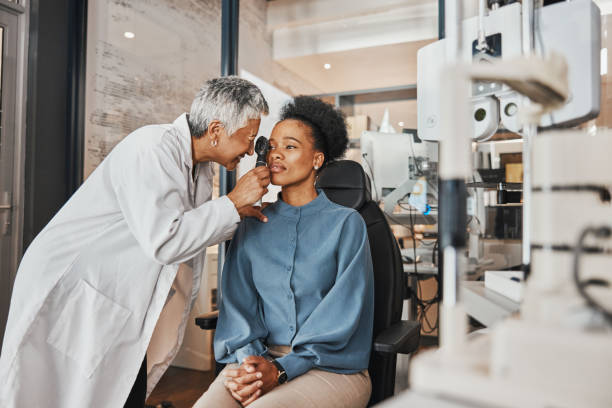
Doctor, vision or black woman in eye exam consultation or assessment for eyesight at optometrist office. Mature or senior optician helping a customer testing or checking iris or retina visual health Doctor, vision or black woman in eye exam consultation or assessment for eyesight at optometrist office. Mature or senior optician helping a customer testing or checking iris or retina visual health eye doctor stock pictures, royalty-free photos & images

A comprehensive eye exam is more than just determining whether you need glasses or contact lenses. It’s a thorough evaluation of your overall eye health, designed to detect early signs of vision problems and other health conditions.

This is one of the most common eye tests conducted during an exam.

Refraction testing determines whether you need prescription lenses for refractive errors like:
Myopia (nearsightedness)
– Hyperopia (farsightedness)
– Astigmatism
– Presbyopia


– Cornea
– Lens
– Iris

Your doctor may use dilating drops to get a clearer view.

This test checks for glaucoma by measuring the pressure inside your eyes (intraocular pressure). Glaucoma can lead to irreversible vision loss if untreated.

Types include: | Type | Description | |———————-|———————————————–| | Non-contact tonometry | Uses a puff of air to measure pressure | | Applanation tonometry | Directly gauges pressure using special tools |

You may be asked to press buttons when lights appear in various areas within your visual field.

Color vision tests screen for deficiencies in distinguishing colors, particularly useful in identifying color blindness or other retinal conditions affecting color perception.

Example task: Identifying numbers within patterns of colored dots (Ishihara test).

Depth perception evaluates how well both eyes work together to judge distance and three-dimensional space—essential for day-to-day activities like driving or sports.

Common method: Viewing objects through special lenses to determine alignment accuracy between both eyes.

Regularly undergoing these essential tests not only ensures that corrective measures for refractive errors are taken but also helps detect serious health concerns early on, such as diabetes, hypertension, or neurological disorders that may manifest through ocular symptoms. Prioritizing routine comprehensive exams is key to preserving long-term visual health and overall well-being.

How a Houston TX eye doctor conducts eye exams to assess your vision health

These exams are not merely for determining whether you need glasses or contact lenses—they are essential for detecting potential eye conditions and systemic health issues that may manifest in the eyes.

Key Services at an Eye Clinic in Houston TX

A comprehensive eye exam generally includes several tests and assessments designed to evaluate different aspects of vision and eye health.

  • Discussion about your general health
  • Current medications, if any
  • Family history of eye diseases or conditions
  • The Snellen chart is used to measure how clearly you see at various distances.
  • Helps identify refractive errors such as myopia (nearsightedness) or hyperopia (farsightedness).
  • Determines your exact lens prescription for glasses or contact lenses.
  • Performed using a phoropter to measure how light rays bend as they pass through your eyes.
  • Evaluates how well your eyes work together as a team. Issues here may indicate strabismus (crossed eyes) or other muscular problems.
  • Assesses side vision to detect issues like glaucoma, which often affects peripheral vision first.
  • A critical test for diagnosing glaucoma by measuring intraocular pressure. Non-contact tonometry involves a quick puff of air onto the eye, while applanation tonometry uses a small probe to gently touch the surface of the eye.

Importance of Detecting Eye Diseases Early

  1. Glaucoma– Often called the “silent thief of sight,” it can cause irreversible damage before noticeable symptoms appear.
  2. Cataracts– Clouding of the lens can lead to reduced vision over time.
  3. Macular Degeneration– Particularly common among older adults, this condition impacts central vision.
  4. Diabetic Retinopathy– A complication from diabetes that affects retinal blood vessels.

Systemic Health Conditions Revealed During Eye Exams

Condition Eye Exam Indicators
Diabetes Swelling or bleeding in retinal blood vessels
Hypertension Damage to blood vessels in the retina
Autoimmune Diseases Inflammation inside the eye
High Cholesterol Fatty deposits on corneal surfaces

When Should You Schedule an Exam?

  • Adults (18–60):Every two years if no symptoms are present; annually if at risk for conditions like diabetes or family history of glaucoma.
  • Children:First comprehensive test at six months old, then at age three, followed by annual exams after school starts.
  • Seniors (65+):Annual exams due to increased risk of cataracts, macular degeneration, and other age-related changes.

By addressing both preventive care and specific concerns during these exams, patients benefit from better management of their long-term ocular wellness while also gaining insights into overall health indicators observable through their eyes alone.

How a Houston TX optometrist can help maintain optimal vision through regular eye exams

Regular eye exams play a critical role in maintaining not only your vision but also your overall eye health. Many eye-related conditions develop gradually and may not present noticeable symptoms until they have progressed significantly. By scheduling routine exams, you can identify potential issues early and ensure that your eyes remain in optimal condition. Here’s a closer look at why these exams are essential.

Early Detection of Eye Diseases

Eye diseases such as glaucoma, macular degeneration, and diabetic retinopathy often progress silently without immediate signs or symptoms. A comprehensive eye exam can help detect these conditions before they cause irreversible damage to your vision.

  • Glaucoma: Often referred to as the “silent thief of sight,” this condition can lead to permanent vision loss if left untreated.
  • Macular Degeneration: Regular monitoring is crucial for identifying this age-related issue that affects central vision.
  • Diabetic Retinopathy: Individuals with diabetes are at higher risk for retinal damage, which can be detected early through routine screening.

Vision Correction and Updates

As we age or undergo life changes, our eyesight typically fluctuates. Regular exams ensure that any necessary updates to prescriptions for eyeglasses or contact lenses are provided. Wearing an outdated prescription can strain the eyes and lead to headaches or blurred vision.

  • Children: Often require more frequent checks due to rapid changes in their visual development.
  • Adults: May experience subtle shifts over time; regular testing ensures proper correction.
  • Seniors: Require close monitoring as aging eyes are prone to developing presbyopia and other degenerative conditions.

Overall Health Monitoring

Did you know that an eye exam can reveal signs of systemic health problems? The eyes provide a unique window into overall health since blood vessels, nerves, and tissues in the eyes reflect changes in the body.

Conditions That Can Be Detected:

Condition Signs Visible During an Eye Exam
Diabetes Small hemorrhages or swelling in retinal blood vessels
High Blood Pressure Narrowing or leakage of blood vessels
High Cholesterol Yellowish deposits on the cornea
Autoimmune Diseases Inflammation visible within different parts of the eye

By identifying these signs early on, your optometrist or ophthalmologist may recommend further evaluation by your primary care physician.

Improved Quality of Life

Good vision is essential for performing everyday tasks such as reading, driving, working on computers, and engaging in hobbies. Undiagnosed vision problems can affect productivity and quality of life over time. Routine eye exams ensure that any impairments are diagnosed promptly so corrective measures can be taken to maintain clear vision.

Common Symptoms That Warrant an Immediate Exam

  • Persistent headaches
  • Blurred or double vision
  • Sensitivity to light
  • Difficulty focusing

Recommendations for Exam Frequency

Age Group Recommended Frequency
Children (3–5 yrs) At least once during this period
Adults (18–39) Every two years if no risk factors
Adults (40–64) Every 1–2 years
Seniors (65+) Annually

Individuals with specific conditions like diabetes or a family history of glaucoma may need more frequent visits based on their doctor’s recommendations.

Regularly scheduled comprehensive eye exams are instrumental not only for maintaining optimal eyesight but also for promoting overall health awareness. Make it a priority to consult with a qualified eye care professional at intervals suitable for your needs.

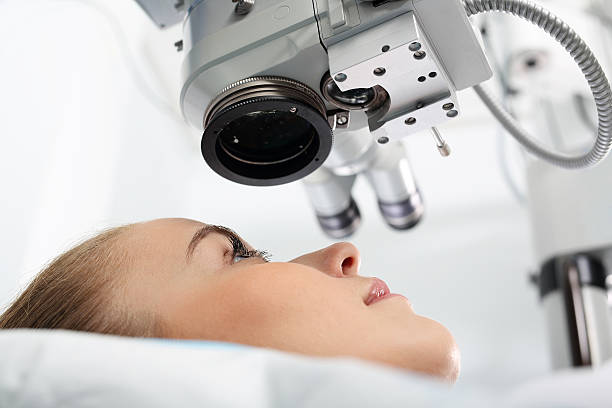
Mature woman undergoing an eye surgery at ophthalmology clinic. Ophthalmologist looking through microscope during eye surgery of mature patient at the clinic. eye doctor stock pictures, royalty-free photos & images

Pediatric Eye Exams: Everything Parents Need to Know for Their Child’s Vision Care

Pediatric eye exams play a crucial role in ensuring your child’s visual health and overall development. Children rely heavily on their vision for learning, playing, and interacting with the world around them. As such, early detection of vision issues is essential for preventing long-term complications. This guide covers key aspects of pediatric eye exams that parents should know to safeguard their child’s vision.

Importance of Pediatric Eye Exams

Many childhood vision problems can go unnoticed because children may not realize they have a problem or may be unable to articulate it.

  • Refractive errors: Conditions like nearsightedness, farsightedness, and astigmatism.
  • Amblyopia (lazy eye): Reduced vision in one eye due to unequal focus or other issues.
  • Strabismus (crossed eyes): Misalignment of the eyes that can affect depth perception.
  • Eye health problems: Issues such as infections, allergies, or even rare conditions like pediatric glaucoma or cataracts.

Without proper intervention, these conditions could impact your child’s ability to learn and their overall quality of life.

Recommended Schedule for Pediatric Eye Exams

Age Group Recommended Exam Frequency
Newborn to 6 months Vision screening during well-child visits by a pediatrician
6 months to 1 year Comprehensive eye exam by an optometrist or ophthalmologist if needed
3 years Comprehensive eye exam before preschool
5 years and older Annual exams during school years or as recommended by your doctor

Parents should also seek an immediate evaluation if their child shows symptoms like difficulty focusing, squinting frequently, excessive tearing, or complaints about blurry vision.

What Happens During a Pediatric Eye Exam?

A pediatric eye exam is tailored to assess both the functional ability and overall health of a child’s eyes.

  1. Discussion about family history of eye conditions.
  2. Questions about any observed visual challenges in your child.
  3. Use of age-appropriate techniques like picture charts instead of letter-based Snellen charts.
  4. Assessment of near and distance vision clarity.
  5. Tests using light sources or toys to ensure both eyes are properly aligned.
  6. Determination if corrective lenses are required through tools like retinoscopes.
  7. Examination with specialized equipment like ophthalmoscopes.
  8. Identification of any structural abnormalities in the cornea, retina, or optic nerve.

Tips for Parents Preparing for Their Child’s Eye Exam

  • Familiarize yourself with common tests so you can explain what’s happening.
  • Schedule appointments when your child is most alert, such as mornings.
  • Bring any necessary documents including medical history records.
  • Encourage good behavior by framing the visit as an exciting experience rather than something stressful.

Regular pediatric eye exams are foundational steps toward protecting your child’s sight while supporting their cognitive development and learning potential. Being proactive ensures their best chance at maintaining clear vision throughout childhood and beyond.

Pediatric Eye Exams: Everything Parents Need to Know for Their Child’s Vision Care

Caring for a child’s vision is an essential part of their overall health and development. Pediatric eye exams are specifically designed to evaluate the unique needs of children’s eyes, ensuring they can see clearly and detect any potential issues early. Here’s everything parents need to know about pediatric eye care.

Why Are Pediatric Eye Exams Important?

Children rely on their vision to learn, play, and interact with the world around them. Vision problems can interfere with academic performance, social interaction, and even motor skill development. Early detection of eye issues allows for timely treatment, minimizing long-term effects on a child’s visual health.

Key reasons pediatric eye exams are critical include: – Early Detection of Conditions: Identifies issues such as amblyopia (lazy eye), strabismus (crossed eyes), or refractive errors (nearsightedness, farsightedness).Monitoring Development: Ensures proper alignment and focusing abilities as their eyes grow.Preventing Learning Difficulties: Many learning challenges stem from undiagnosed vision problems.

When Should Children Get an Eye Exam?

The American Optometric Association recommends the following schedule for children’s eye exams: | Age Range | Type of Exam | |—————————–|———————————————————| | 6 months | First comprehensive exam to check basic visual functions | | 3 years | Second exam to assess visual acuity and binocular vision | | Before starting school | Full exam to ensure readiness for academic activities | | Every one to two years | Regular follow-ups if no significant issues are detected |

Signs Your Child Might Need an Earlier Exam

Parents should schedule an appointment sooner if they notice: – Squinting or difficulty focusing on objects – Frequent rubbing of the eyes – Excessive tearing or redness – Complaints about headaches or blurry vision – Holding books or screens too close

What Happens During a Pediatric Eye Exam?

A pediatric eye exam is tailored for young patients using techniques that make the process comfortable and engaging.

  1. Health Evaluation: The doctor will review family history and discuss any symptoms your child might be experiencing.
  2. Visual Acuity Test: Uses age-appropriate charts or symbols to measure how well your child can see at various distances.
  3. Binocular Vision Testing: Assesses how well both eyes work together.
  4. Color Vision Screening: Determines color discrimination ability.
  5. Eye Alignment Check: Looks for signs of strabismus or other alignment issues.
  6. Pupil Responses & Eye Movement Tests: Evaluates neurological function related to vision.

Tips for Parents Preparing Their Child

For many children, a visit to the eye doctor might feel intimidating at first.

  • Talk about what they can expect in simple terms.
  • Bring along their favorite toy or book for comfort.
  • Choose a time when your child is typically alert and rested.
  • Encourage them by explaining how this helps them see better.

Regular pediatric eye exams play a vital role in protecting your child’s vision health as they grow. By staying proactive about scheduling appointments, parents can ensure their children have the best possible start in life with clear sight.


How A Houston TX Eye Doctor Can Help You Maintain Healthy Vision With Regular Adult Eye Exams

Operation of sight. Eye doctor during the treatment of vision refractive surgery eye doctor stock pictures, royalty-free photos & images

Regular eye exams are a critical step in achieving this goal. Many adults underestimate the importance of these appointments, especially if they aren’t experiencing noticeable vision issues. However, routine check-ups with an eye doctor go far beyond simply determining whether you need glasses or contact lenses.

Early Detection of Eye Diseases

One of the most compelling reasons to schedule regular eye exams is their ability to detect serious eye conditions early, often before symptoms develop.

  • Cataracts: While cataracts primarily affect older adults, early diagnosis allows for planning treatment strategies to maintain clarity in vision.
  • Age-Related Macular Degeneration (AMD): Early detection and lifestyle changes can slow progression and preserve central vision.
  • Diabetic Retinopathy: For individuals with diabetes, regular eye exams can identify damage to the retina caused by high blood sugar levels.

By spotting these conditions early, your eye doctor can recommend interventions or treatments that safeguard your sight.

Monitoring Vision Changes Over Time

Vision changes often occur gradually and may not be immediately noticeable. Regular visits ensure that subtle declines in visual acuity or other issues are promptly addressed.

  • Evaluating how well your current prescription meets your needs.
  • Identifying signs of digital eye strain caused by prolonged screen use.
  • Addressing dry eyes or discomfort related to environmental factors.

Health Beyond the Eyes

The eyes serve as windows into your overall health.

Health Issue Indicators Seen During Eye Exams
High Blood Pressure Abnormal blood vessels in the retina
Diabetes Swelling or bleeding in retinal tissue
High Cholesterol Deposits in corneal arteries
Autoimmune Disorders Inflammation inside the eyes

These insights allow early intervention not only for ocular issues but also for broader health concerns.

Enhancing Quality of Life Through Clear Vision

Clear vision is essential for tasks ranging from reading and driving to enjoying hobbies and maintaining independence.

  • Visual comfort during daily activities.
  • Safety by reducing risks associated with poor eyesight.
  • Productivity and performance at work or school.

For those without corrective lenses, periodic checks ensure no emerging issues go unnoticed.

When Should Adults Schedule Eye Exams?

The American Optometric Association recommends that adults aged 18–64 have a comprehensive exam at least once every two years if they are asymptomatic and low-risk. However, individuals with certain risk factors—including a family history of glaucoma, diabetes, or previous vision problems—may need more frequent evaluations based on their doctor’s guidance.

Regular adult eye exams are fundamental not only for protecting your eyesight but also for maintaining overall health and quality of life. By prioritizing these appointments, you invest in long-term wellness while preventing potential complications down the road.

How a Houston TX optometrist Can Help Detect Eye Diseases Early Through Routine Exams

Many eye conditions develop gradually and may not exhibit noticeable symptoms in their initial stages. By the time symptoms appear, irreversible damage to vision or overall eye health may have already occurred.

Common Eye Diseases Detected Through Early Exams

  • Cataracts: Cataracts develop slowly over time, causing clouding of the lens that leads to blurred or dim vision. Early detection allows for monitoring and planning surgical intervention if necessary.
  • Macular Degeneration: This condition affects central vision and is a leading cause of blindness. Detecting early signs during an exam can help slow its progression through lifestyle changes and treatment options.
  • Diabetic RetinopathyAnnual dilated eye exams are critical for diabetic patients to catch it early.

Diagnostic Tools Used During an Eye Exam

Test Name Purpose
Visual Acuity Test Measures sharpness of vision at different distances
Tonometry Tests intraocular pressure, aiding glaucoma detection
Retinal Examination Identifies abnormalities in the retina and optic nerve
Slit-Lamp Examination Magnifies structures within the eye for precise inspection

Benefits of Early Detection

  1. Prevent Vision Loss: Many conditions are treatable when caught early.
  2. Reduce Treatment Costs: Addressing diseases before they worsen often minimizes expensive treatments or surgeries later on.
  3. Improve Quality of Life: Maintaining good eyesight ensures independence and productivity.

Who Should Prioritize Regular Eye Exams?

  • People over 40 (higher risk for age-related conditions like glaucoma).
  • Individuals with chronic conditions such as diabetes or hypertension.
  • Those with a family history of eye diseases.

Prioritizing regular appointments with your optometrist or ophthalmologist is key to preserving long-term visual health.

Young woman doing optical exam at medical clinic Young woman doing optical exam at medical clinic eye doctor stock pictures, royalty-free photos & images

Discover How Optometry in Houston TX Can Detect Underlying Health Issues

Eye health is intrinsically linked to overall bodily health. Comprehensive eye exams go beyond assessing your vision—they can also uncover signs of underlying health issues that may otherwise go unnoticed. This makes routine eye exams a critical component of preventive healthcare.

Common Health Conditions Detected Through Eye Exams

A thorough eye exam can reveal early indicators of systemic medical conditions.

  • High Cholesterol: Deposits in the corneas or blockages in retinal vessels are potential warning signs.
  • Autoimmune Disorders: Inflammation spotted during an eye exam could indicate an autoimmune disease like lupus or rheumatoid arthritis.
  • Thyroid Problems: Bulging eyes, often associated with thyroid dysfunction like Graves’ disease, can also be identified during an exam.

Components of a Comprehensive Eye Exam

  1. Visual Acuity Tests: Measures how well you see at different distances using an eye chart.
  2. Tonometry: Tests for intraocular pressure, which helps detect glaucoma.
  3. Retinal Examination (Ophthalmoscopy): The doctor examines the back of your eyes, including the retina and optic nerve, for abnormalities.
  4. Pupil Dilation: Expanding your pupils allows for a more detailed examination of internal structures within the eyes.
  5. Slit-lamp Examination: Assesses structures at the front of the eye such as the cornea, lens, and iris for any abnormalities.

These tests collectively provide critical insight into your ocular health while offering clues regarding potential systemic conditions.

Why Early Detection Matters

Early detection through regular comprehensive eye exams is vital for effective management and treatment of both ocular and general health problems.

  • Identifying diabetic retinopathy early can prevent severe vision loss through timely interventions like laser therapy or injections.
  • Catching hypertension early reduces risks associated with cardiovascular events like strokes or heart attacks.
  • Detecting high cholesterol may prompt lifestyle changes or medications to lower levels before complications arise.

The integration between vision care and general healthcare underscores why prioritizing routine comprehensive exams is so important.

Table: Symptoms Detected During Eye Exams and Their Linked Conditions

Symptom Found During Eye Exam Potential Linked Condition
Retinal Hemorrhages Diabetes / Hypertension
Yellowish Plaques on Eyelids High Cholesterol
Bulging Eyes Thyroid Disorders
Optic Nerve Swelling Intracranial Pressure / Neurological Issues

By investing time in regular comprehensive exams, you not only safeguard your eyesight but also gain valuable insights into your overall health—allowing for timely action if concerns arise. This proactive approach plays a vital role in maintaining long-term well-being through early recognition and management of potential risks affecting both vision-related and systemic conditions alike.

How Often Should You Visit an Eye Clinic Houston TX to Protect Long-Term Vision Health

Maintaining optimal eye health is essential for overall well-being, and scheduling regular eye exams plays a significant role in protecting your long-term vision. The frequency of eye exams can vary based on factors such as age, medical history, and lifestyle. Below are guidelines and considerations to help you determine how often you should visit an eye care professional.

Recommended Frequency of Eye Exams

  • First exam at 6–12 months
  • At least once every 1–2 years after the first visit if no vision issues are detected
  • Every 2 years if there are no known vision problems or risk factors
  • Annually if you wear corrective lenses, have a family history of eye disease, or work in environments that strain the eyes
  • Yearly exams are recommended due to the higher risk of developing conditions like cataracts, glaucoma, and macular degeneration

Factors That May Influence Eye Exam Frequency

Certain individuals may need more frequent checkups depending on their specific circumstances.

  1. Chronic Health Conditions:
    People with diabetes, hypertension, or autoimmune disorders may require annual or semi-annual exams as these conditions can affect the eyes over time.
  2. Family History:
    A family history of glaucoma, macular degeneration, or other hereditary eye diseases increases the need for close monitoring.
  3. Vision Correction Needs:
    Those who wear eyeglasses or contact lenses should have their prescriptions reviewed annually to ensure optimal clarity and comfort.
  4. Lifestyle Risks:
    Prolonged exposure to digital screens or UV light can strain the eyes and increase risks of certain conditions like dry eye syndrome.
  5. Eye Symptoms:
    Sudden changes in vision—such as blurriness, floaters, or pain—warrant immediate attention from an optometrist or ophthalmologist regardless of your last exam date.

Benefits of Regular Eye Exams

Benefit Description
Early Detection of Diseases Conditions like glaucoma and cataracts show few symptoms initially but can be identified during an exam.
Monitoring Systemic Health Signs of diabetes, high blood pressure, and even certain neurological disorders can appear in ocular evaluations.
Vision Stability Adjusting prescriptions promptly ensures long-term clarity and reduces headaches caused by outdated lenses.

Tips for Staying on Track with Eye Care

  • Schedule appointments at consistent intervals based on your age group and health needs.
  • Keep track of any noticeable changes in your vision between visits.
  • Wear sunglasses with UV protection during outdoor activities.
  • Practice good screen hygiene by following the 20-20-20 rule: Look away from screens every 20 minutes at something 20 feet away for at least 20 seconds.
  • Maintain a balanced diet rich in nutrients like lutein, zeaxanthin, Vitamin A, C & E that support healthy eyes.

By adhering to these recommendations and consulting with your optometrist regularly, you can safeguard one of your most valuable senses—your vision—for years to come.

Doctors doing an exam or surgery Doctors doing an exam or surgery eye doctor stock pictures, royalty-free photos & images

How Often Should You Get an Eye Exam to Protect Long-Term Vision Health

Regular eye exams are a critical component of maintaining optimal vision health over the course of your life. However, the frequency at which you should schedule these exams depends on a variety of factors, including your age, family history, general health, and whether or not you currently wear corrective lenses. Below, we explore how often different groups should see an eye care professional to protect their long-term vision.

General Recommendations for Eye Exam Frequency

  • If you have no known vision problems or risk factors: every 2 years.
  • If you wear glasses or contact lenses: every 1-2 years to ensure your prescription is up-to-date.
  • If specific risk factors like diabetes or high blood pressure are present: annually or as recommended by your doctor.
  • Every 1-2 years, as natural age-related changes in vision become more common during this period.
  • Annual visits may be necessary if there is a family history of glaucoma, macular degeneration, or other hereditary eye conditions.
  • Annual exams are strongly recommended due to the increased prevalence of cataracts, glaucoma, and age-related macular degeneration in this age group.

Key Factors That May Require More Frequent Eye Exams

  1. Chronic Conditions
    People with medical conditions such as diabetes or hypertension are at a higher risk for developing disorders like diabetic retinopathy and hypertensive retinopathy. Regular monitoring helps catch these issues early.
  2. Family History
  3. Occupational Hazards
    Individuals who work in visually demanding environments—such as prolonged computer screen use—or those exposed to debris or chemicals may need periodic assessments to prevent strain or injury.
  4. Use of Prescription Medications
    Some medications can impact eye health over time (e. g. , corticosteroids). Routine check-ups can monitor any adverse effects on the eyes.

Benefits of Regularly Scheduled Eye Exams

Benefit Description
Early Detection Identifies silent eye diseases like glaucoma before symptoms develop
Monitoring Systemic Health May reveal signs of systemic conditions such as high cholesterol and diabetes
Optimized Vision Ensures clear and comfortable sight through updated prescriptions
Maintaining Independence Helps seniors preserve independence by preventing advanced vision loss

By adhering to these schedules and addressing any individual risk factors with your optometrist or ophthalmologist, you safeguard not only your current eyesight but also future-proof your ability to maintain healthy vision throughout life. Be proactive about protecting one of your most vital senses—your sight—and schedule an exam today if it’s been longer than recommended for your age group or health profile.


How to Choose the Right Houston TX Optometrist and Understand the Difference from an Ophthalmologist

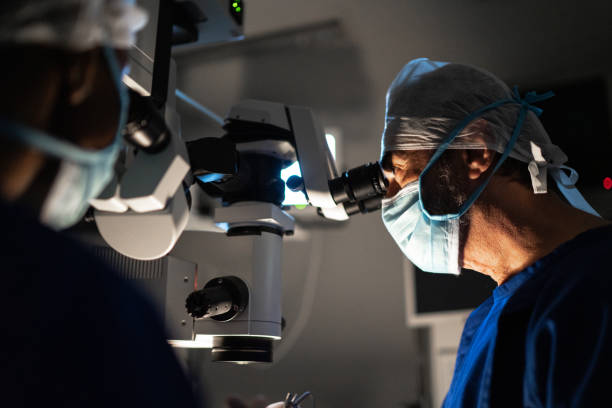
Female doctor positioning microscope in operating theatre Female doctor positioning microscope in operating theatre eye doctor stock pictures, royalty-free photos & images

When it comes to maintaining optimal eye health, many people may feel uncertain about where to turn for care. Two of the most common eye care providers are ophthalmologists and optometrists. While both professionals play a critical role in preserving vision, they have distinct qualifications, expertise, and scopes of practice. Understanding these differences is key to selecting the right specialist for your needs.

Education and Training

Profession Education Path Training Length
Ophthalmologist – Undergraduate degree (4 years)
– Medical school (4 years)
– Internship (1 year)
– Residency in ophthalmology (3-4 years) Approx. 12-13+ years
Optometrist – Undergraduate degree (3-4 years)
– Doctor of Optometry (O.D.) program (4 years) Approx. 7-8 years

Ophthalmologists are medical doctors with advanced training in diagnosing and treating complex eye diseases, performing surgical procedures, and managing long-term vision issues. Optometrists focus on primary vision care, including prescribing glasses or contact lenses and diagnosing less severe conditions.

Scope of Practice

  • Comprehensive medical exams to diagnose complex conditions like glaucoma or retinal disorders
  • Surgical procedures such as cataract removal, LASIK, or corneal transplants
  • Treatment of systemic diseases that affect the eyes, such as diabetes or hypertension
  • Management of advanced age-related conditions like macular degeneration
  • Vision tests to determine corrective lens prescriptions
  • Detection of common eye conditions such as dry eyes or minor infections
  • Basic management of refractive errors like nearsightedness or farsightedness
  • Referrals to ophthalmologists when surgical intervention is needed

While optometrists provide excellent primary care for everyday vision needs, ophthalmologists bring a higher level of expertise in advanced diagnostics and treatments.

When Should You See an Ophthalmologist vs. an Optometrist?

  • You need a routine eye exam to update your prescription for glasses or contact lenses
  • You’re experiencing mild symptoms like blurry vision or eyestrain
  • You have been diagnosed with a serious eye condition requiring medical management (e. g.
  • Surgical treatment has been recommended for cataracts or other issues
  • You experience sudden changes in vision, pain, or trauma to the eyes

Key Takeaways

  1. Optometrists serve as primary eye care providers for routine needs like corrective lenses.
  2. Ophthalmologists are highly trained medical doctors equipped to manage serious eye diseases and perform surgeries.
  3. Regular visits to either professional can help preserve eyesight while addressing potential concerns early.

By selecting the right provider based on your unique requirements, you can take proactive steps toward long-term visual health while ensuring specialized attention when needed most.

Comprehensive Optometry Houston TX Education and Training

When it comes to eye health, ophthalmologists are among the most highly trained medical professionals. Their education and training journey is rigorous, extensive, and designed to prepare them for diagnosing and treating a wide range of eye conditions. Understanding the depth of their preparation can help you appreciate their expertise in safeguarding your vision.

The Path to Becoming an Ophthalmologist

To become an ophthalmologist, individuals must complete several stages of education and training.

  1. Typically 4 years
  2. Focus on obtaining a bachelor’s degree with pre-med courses such as biology, chemistry, physics, and mathematics.
  3. 4 years of medical training
  4. The first two years focus on foundational medical sciences (e. g. , anatomy, pharmacology).
  5. Final two years involve clinical rotations, including exposure to various specialties.
  6. 1 year of general medical or surgical internship.
  7. This year is crucial for gaining hands-on experience in patient care.
  8. 3-4 years in a specialized residency program.
  9. Includes intensive training in diagnosing and managing eye diseases, performing surgeries (e. g. , cataract removal), and understanding advanced diagnostic techniques.
  10. An additional 1-2 years for subspecialty training.
  11. Subspecialties include areas like pediatric ophthalmology, glaucoma management, retinal surgery, or corneal diseases.

Key Skills Acquired During Training

  • Mastery of detailed ocular anatomy and physiology.
  • Proficiency in using advanced equipment like optical coherence tomography (OCT) or slit-lamp microscopes.
  • Surgical precision for procedures such as LASIK or cataract surgery.
  • Understanding systemic diseases (e. g. , diabetes) that can affect vision.

A Comparison Table: Ophthalmologist vs Optometrist Training

Aspect Ophthalmologist Optometrist
Education Duration ~12+ years ~7–8 years
Degree MD or DO Doctor of Optometry (OD)
Clinical Internship Yes No
Surgical Training Yes No
Specialization Opportunities Multiple Subspecialties Limited (e.g., contact lenses expertise)

Why Their Training Matters

The extensive education required to become an ophthalmologist ensures they are prepared to handle complex situations ranging from routine checkups to advanced treatments like corneal transplants or retinal detachment repairs. Their deep understanding of both systemic health issues and ocular conditions enables them to provide comprehensive care tailored to each patient’s needs.

Regular visits to an ophthalmologist are particularly important if you have risk factors such as diabetes, hypertension, a family history of eye disease, or age-related concerns. By choosing a well-trained specialist with this level of preparation behind them, you’re making a vital investment in your long-term vision health.

Ophthalmologists play a critical role in maintaining and improving vision health across all stages of life. From addressing childhood eye conditions to managing age-related vision issues, their expertise is essential in ensuring optimal eye care for individuals of every age group. Below, we explore how ophthalmologists contribute to the eye health of people at different life stages.

Pediatric Eye Care

Vision development begins at birth, and early detection of eye conditions is crucial for children.

  • Strabismus: Misalignment of the eyes, commonly referred to as crossed eyes.
  • Amblyopia (Lazy Eye): A condition where one eye has weaker vision due to improper visual development.
  • Congenital Cataracts: Cloudiness in the lens present at birth that may require surgical intervention.
  • Refractive Errors: Issues like nearsightedness or farsightedness that may necessitate prescription glasses.

Pediatric ophthalmologists also monitor overall visual development and provide guidance on preventing digital eye strain caused by excessive screen time—an increasingly common concern among children today.

Adult Eye Care

As individuals transition into adulthood, their vision needs evolve. Many common eye issues emerge or worsen during this phase, requiring regular monitoring by an ophthalmologist.

  • Refractive Surgeries: Procedures like LASIK or PRK to correct refractive errors and reduce reliance on glasses or contact lenses.
  • Glaucoma
  • Diabetic retinopathy
  • Dry eye syndrome
  • Eye Trauma or Injuries: Prompt evaluation and treatment to preserve eyesight after accidents or injuries affecting the eyes.

Routine comprehensive exams are especially vital for adults with preexisting conditions, such as diabetes, hypertension, or autoimmune diseases, as these can directly impact ocular health.

Geriatric Eye Care

In older adults, maintaining vision becomes increasingly important due to age-related changes and diseases that can impair daily functioning and quality of life.

Condition Description Treatment Options
Cataracts Clouding of the lens leading to blurry vision Surgery to replace cloudy lenses
Macular Degeneration Deterioration of central retina causing vision loss Injections or laser therapy
Glaucoma Increased pressure damaging the optic nerve Medications or surgical procedures
Diabetic Retinopathy Damage caused by diabetes-related blood vessel changes Laser treatments or injections

Regular check-ups also include screening for retinal detachments and other emergencies that are more likely with aging eyes.

Why Timely Care Matters Across All Ages

Ensuring timely access to an ophthalmologist at each stage is critical because many serious conditions can progress without noticeable symptoms in their early phases. Early diagnosis enables effective intervention before irreversible damage occurs.

By understanding the distinct needs associated with each age group—and seeking appropriate care when necessary—you can significantly enhance your chances of maintaining good eyesight throughout your lifetime.

Mature female patient undergoing eye surgery at the ophthalmology clinic. Mature woman having eye surgery at ophthalmology clinic. eye doctor stock pictures, royalty-free photos & images

Understanding the Role of an Ophthalmologist Across Different Age Groups

Ophthalmologists play a crucial role in maintaining and improving eye health across all stages of life. From newborns to older adults, these medical doctors provide a wide range of specialized care tailored to different age groups. Let’s explore how their expertise supports individuals’ vision and eye health at various stages of life.

Early Childhood: Monitoring Developmental Eye Health

The early years are vital for detecting and addressing potential issues that could impact lifelong vision.
Amblyopia (Lazy Eye):A common childhood condition where one eye does not develop proper vision due to misalignment or refractive differences. Early intervention is critical for successful treatment.Strabismus (Crossed Eyes):Misalignment of the eyes that can affect depth perception and visual development.Congenital Cataracts:While rare, cataracts present at birth require prompt surgical intervention to prevent permanent vision loss.

Routine pediatric eye exams are essential during these years to identify any undiagnosed refractive errors, such as nearsightedness or farsightedness, which may interfere with academic performance and overall quality of life.

Adolescence and Young Adulthood: Supporting Vision Changes

During adolescence and young adulthood, individuals often experience changes in their visual needs due to growth or increased screen time.
Refractive Errors:Myopia (nearsightedness) often progresses in adolescence. Proper prescription lenses or contact lenses are necessary to ensure clear vision.Digital Eye Strain:With the growing use of digital devices, many young people experience symptoms like dry eyes, headaches, and blurred vision.Eye Injuries:Sports-related injuries are common in this age group. Ophthalmologists manage both surgical and non-surgical treatments for trauma affecting the eyes.

Additionally, they may discuss options like refractive surgery (e. g. , LASIK) with eligible candidates seeking alternatives to glasses or contacts once adulthood is reached.

Middle Age: Managing Emerging Conditions

As individuals enter their 40s or 50s, age-related changes begin affecting their vision.
1.Presbyopia:The natural loss of near focusing ability that typically starts around age 40. Reading glasses or multifocal lenses may be prescribed.
2.Dry Eye Syndrome:Hormonal changes can exacerbate dry eye symptoms, especially in women during menopause. 3.Glaucoma Screening:Regular testing is vital for detecting early signs of glaucoma before significant vision loss occurs.

Middle-aged patients also benefit from comprehensive dilated eye exams to monitor for other systemic health conditions—such as diabetes—that can impact ocular health.

Condition Typical Onset Age Common Symptoms Treatment Options
Presbyopia Around 40 Difficulty reading small print Reading glasses, bifocals
Glaucoma Mid-life onward No early symptoms; gradual vision loss begins peripherally Medication, laser therapy, surgery
Dry Eye Syndrome 40+ Burning sensation, itchiness Artificial tears, environmental adjustments

Senior Years: Preserving Vision Amid Aging

In older adults over the age of 60, maintaining quality eyesight requires managing more advanced ocular diseases such as: – Cataracts:Clouding of the lens leading to blurry or dimmed vision; treated effectively through surgery.Age-Related Macular Degeneration (AMD):A condition affecting central vision due to retinal damage; treatments include injections and lifestyle adaptations.Diabetic Retinopathy:Diabetic patients are at risk of retina damage caused by high blood sugar levels; regular monitoring helps minimize complications.

Frequent check-ups allow ophthalmologists to provide timely interventions that prioritize independence and quality of life for aging individuals.

Conclusion

From infancy through senior years, ophthalmologists adapt their care techniques based on the unique needs associated with each stage of life. By addressing everything from developmental concerns in children to complex conditions seen in older adults, they help ensure optimal visual outcomes across generations. Regular interactions with an experienced ophthalmologist remain integral to protecting long-term eye health at every milestone in life’s journey.

Choosing the Best Houston TX Eye Doctor: Optometrist vs.

Choosing between an optometrist and an ophthalmologist is crucial when it comes to addressing your vision and eye health needs. While both professionals play significant roles in maintaining healthy vision, understanding their differences can help you make a more informed decision based on your specific requirements.

Key Differences Between Optometrists and Ophthalmologists

Aspect Optometrist Ophthalmologist
Education & Training Bachelor’s degree + 4 years of optometry school Bachelor’s degree + 4 years of medical school + 3-7 years of residency/fellowship
Scope of Practice Primarily vision care, prescribing glasses/contact lenses, diagnosing certain eye conditions Comprehensive eye care, including surgeries such as cataracts or LASIK
Surgical Procedures Not licensed to perform surgeries Licensed to perform minor and major eye surgeries
Specializations Available No subspecialties Multiple subspecialties (e.g., retina, glaucoma, cornea)

When Should You See an Optometrist?

Optometrists are the primary point of contact for routine vision care. They are highly skilled in diagnosing common eye conditions and providing corrective solutions.
– A comprehensive eye exam for updating your glasses or contact lens prescription
– Management of nearsightedness, farsightedness, astigmatism, or presbyopia
– Diagnosis and management of mild conditions like dry eyes or conjunctivitis (pink eye)
– Preventative care monitoring for early signs of chronic issues such as glaucoma

In most cases, optometrists also collaborate with ophthalmologists if advanced treatment or surgery is required.

When Should You Consult an Ophthalmologist?

Ophthalmologists specialize in advanced medical treatments for complex or severe eye conditions.
– Sudden loss of vision or significant changes in visual clarity
– Eye injuries or trauma requiring immediate attention
– Advanced retinal disorders such as macular degeneration or diabetic retinopathy
– Eye diseases like cataracts requiring surgical intervention
– Chronic conditions including glaucoma requiring long-term management

Additionally, patients seeking refractive surgery procedures like LASIK or managing rare genetic ocular disorders would benefit from consulting an ophthalmologist with expertise in these areas.

Collaborative Approach to Eye Care

It’s worth noting that both optometrists and ophthalmologists often work together to provide comprehensive care.
1. An optometrist may initially detect signs of cataracts during a routine exam and refer you to an ophthalmologist for surgery.
2. Post-surgery follow-up care may be managed by your optometrist under the guidance of the operating surgeon.

This collaborative model ensures seamless coordination between professionals while prioritizing patient outcomes.

What Factors Should You Consider?

When deciding between these specialists, consider these factors:
1.Condition Severity:Minor issues like refractive errors may be addressed by an optometrist; severe problems often require an ophthalmologist’s expertise. 2.Accessibility:Optometrists are generally more accessible for routine appointments compared to specialized surgeons. 3.Referrals:Your primary care physician or optometrist can guide you toward the appropriate specialist when necessary. 4.Insurance Coverage:Confirm whether your insurance covers visits to one type of professional over another based on the scope of services provided.

By understanding these distinctions and evaluating your unique needs carefully, you can ensure expert-level care tailored specifically to maintain optimal vision health throughout your life journey.

The Importance of Regular Eye Exams for Maintaining Long-Term Vision Health

Regular eye exams play a critical role in preserving your vision and overall eye health. Many individuals may not prioritize routine visits to an eye doctor, especially if they feel their vision is adequate. However, neglecting these exams can result in undetected conditions that may lead to permanent vision loss or other health issues. Below, we explore why routine eye exams are essential and what they entail.

Why Are Regular Eye Exams Crucial?

  1. Detecting Eye Diseases Early
    Many serious eye conditions, such as glaucoma, cataracts, and macular degeneration, often develop without noticeable symptoms in their early stages. By the time symptoms arise, significant damage may already have occurred. Regular check-ups allow for early detection when treatment is most effective.
  2. Preserving Vision Quality
    Changes in vision can occur gradually and may not be immediately apparent. Routine exams ensure that refractive errors (such as nearsightedness or farsightedness) are promptly corrected with updated prescriptions for glasses or contact lenses.
  3. Identifying Systemic Health Conditions
    The eyes often provide a window into your overall health. Conditions like diabetes, hypertension, and high cholesterol can manifest through subtle changes in the blood vessels of the retina or other parts of the eye. An eye exam can reveal signs of these systemic diseases early on.
  4. Preventing Vision Loss
    Consistent monitoring of your eyes allows professionals to track changes over time and intervene before problems escalate into irreversible vision loss.

Frequency of Eye Exams

Age Group Recommended Frequency
Children (6 months – 18 years) At 6 months old, at age 3 years, before first grade; annually thereafter
Adults (19 – 40 years) Every 2 years for healthy individuals
Adults (41 – 60 years) Every 2 years; annually if you have risk factors like diabetes
Seniors (60+ years) Annually

Risk factors such as a family history of glaucoma or diabetes may necessitate more frequent visits regardless of age group.

What Happens During an Eye Exam?

  • Visual Acuity Test:Measures how clearly you see objects at different distances.
  • Refraction Test:Determines the best prescription for corrective lenses.
  • Eye Pressure Measurement:Uses tonometry to check for signs of glaucoma.
  • Retinal Exam:Examines the back part of your eye for abnormalities.
  • Slit Lamp Examination:Provides a magnified view to assess structures such as the cornea, lens, and iris.
  • Peripheral Vision Test:Identifies blind spots or weaknesses in side vision that could indicate underlying conditions.

Tips for Maintaining Long-Term Vision Health

  • Wear sunglasses with UV protection when outdoors.
  • Follow the “20-20-20” rule: every 20 minutes spent looking at screens should be followed by looking at something 20 feet away for at least 20 seconds.
  • Eat a diet rich in nutrients essential for eye health (e. g. , omega-3 fatty acids, lutein).
  • Avoid smoking as it increases the risk of macular degeneration and cataracts.
  • Use protective eyewear during activities that pose risks to your eyes (e. g. , sports or working with tools).

By prioritizing regular eye care appointments and adopting healthy habits, you can maintain clear vision well into later life while reducing the risk of preventable complications related to sight.

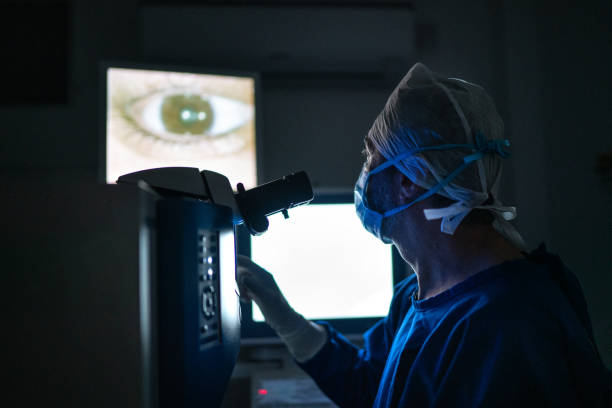
Doctor doing an exam or surgery, looking at images in monitor Doctor doing an exam or surgery, looking at images in monitor eye doctor stock pictures, royalty-free photos & images

Laser Eye Surgery for Cataracts: What to Expect from This Transformative Procedure

Laser-assisted cataract surgery is a precise and efficient procedure that can significantly improve quality of life for people with this condition. Here’s what patients can expect from this transformative treatment.

Understanding Cataracts and Their Impact

Cataracts develop when the natural lens of the eye becomes cloudy, often due to aging or other factors like diabetes, excessive UV exposure, or smoking.
– Blurry or dim vision
– Difficulty seeing at night
– Sensitivity to light or glare
– Fading or yellowing of colors

When cataracts progress and interfere with daily activities such as driving or reading, surgery is usually recommended.

Pre-Surgery Preparations

Before undergoing laser cataract surgery, patients typically undergo a thorough evaluation by an ophthalmologist.
1.Comprehensive Eye Examination– To assess the severity of cataracts and overall eye health.
2.Measurement of Eye Structures– Special imaging tools measure the size and shape of your eye to customize treatment.
3.Discussion of Intraocular Lens (IOL) Options – Patients choose from various IOLs based on their specific needs:
Monofocal Lenses: Correct vision for one distance (near or far).
Multifocal Lenses: Provide focus at multiple distances.
Toric Lenses: Correct astigmatism.

The Surgical Procedure

Laser-assisted cataract surgery is an outpatient procedure that typically takes 15–30 minutes per eye.

  1. Use of Anesthetic Drops:Numbing drops are applied to ensure comfort throughout the procedure.
  2. Laser Precision:A femtosecond laser creates tiny incisions in the cornea and softens the cloudy lens for easier removal.
  3. Lens Removal:The damaged lens is broken into small pieces using ultrasound technology (phacoemulsification) and carefully removed.
  4. Placement of Artificial Lens (IOL):A custom IOL is implanted in place of the natural lens to restore clear vision.

The use of lasers enhances precision and minimizes risks compared to traditional methods.

Recovery After Surgery

  • Most patients notice improved vision within a few days post-surgery.
  • Common side effects like mild discomfort, sensitivity to light, or watery eyes usually resolve within a week.
  • Patients are advised to avoid strenuous activities, rubbing their eyes, or exposing them to irritants during recovery.

Typical follow-up care includes:
| Timeframe | Recommended Actions |
|————————–|————————————————-|
| 24 hours post-surgery | Visit your doctor for an initial follow-up exam.
| First week | Use prescribed medicated drops regularly; avoid heavy lifting.
| First month | Attend routine check-ups; report unusual symptoms immediately.

Benefits of Laser-Assisted Cataract Surgery

Laser-assisted cataract removal offers several advantages over traditional methods, including:
– Greater surgical precision through advanced imaging and lasers. – Reduced risk of complications due to smaller incisions. – Faster recovery times with less inflammation post-surgery. – Customizable results tailored to each patient’s unique visual needs.

By choosing laser eye surgery for cataracts when recommended by a qualified ophthalmologist, patients can regain their independence and enjoy clearer vision once again without relying heavily on prescription glasses or contact lenses.

Laser Eye Surgery for Cataracts: What to Expect from This Transformative Procedure

Cataracts, a condition characterized by the clouding of the eye’s natural lens, can significantly impair vision and quality of life. Laser eye surgery has revolutionized the treatment of cataracts, offering patients a safer, more precise, and efficient alternative to traditional surgical methods. Understanding what happens before, during, and after laser-assisted cataract surgery can help you feel prepared and confident about undergoing this transformative procedure.

What Is Laser-Assisted Cataract Surgery?

Laser-assisted cataract surgery is an advanced procedure that uses femtosecond laser technology to enhance precision during key steps of the operation. Unlike conventional cataract surgery that relies solely on hand-held instruments, this method integrates high-resolution imaging systems and laser guidance for improved accuracy.

Key benefits include:
Enhanced Precision: Lasers make highly accurate incisions in the cornea and lens capsule.
Improved Safety: A minimally invasive technique reduces risks associated with manual surgical methods.
Better Outcomes: Greater predictability enhances vision correction results.

Preparing for Laser Cataract Surgery

Proper preparation ensures a smooth process with optimal results.

  1. Comprehensive Eye Examination: Your ophthalmologist will conduct thorough tests to assess your eye health and determine the severity of the cataracts.
  2. Lifestyle Discussion: You may be asked about your daily activities and vision goals to help decide which type of intraocular lens (IOL) implant is best suited for you.
  3. Pre-operative Medications: Antibiotic or anti-inflammatory eye drops may be prescribed before the procedure.

It’s essential to follow all instructions provided by your surgeon ahead of surgery day.

The Procedure Step-by-Step

  1. Numbing the Eye: The surgeon applies anesthesia in the form of eye drops or injections to ensure comfort throughout the procedure.
  2. Laser Incisions: A femtosecond laser creates precise incisions in the cornea and lens capsule.
  3. Lens Fragmentation: The clouded lens is softened using laser energy for easier removal.
  4. IOL Implantation: A clear artificial intraocular lens (IOL) is inserted into place as a replacement.

This advanced technology minimizes trauma to surrounding tissues while promoting faster recovery.

Post-Surgery Expectations

  • Use prescribed medications such as antibiotic drops to prevent infection.
  • Avoid strenuous activities or heavy lifting for at least one week.
  • Protect your eyes from bright sunlight using sunglasses.
  • Schedule regular follow-up appointments with your ophthalmologist.

Most patients experience noticeable improvement in vision within days of surgery, though full recovery may take a few weeks.

Post-Surgery Timeline Expected Outcomes
First 24 hours Mild discomfort; initial vision improvement
1 Week Reduced light sensitivity; clearer vision
4–6 Weeks Stabilized visual outcomes

Who Can Benefit from Laser Cataract Surgery?

While this approach offers numerous benefits, it may not be suitable for everyone.

  • Diagnosed cataracts causing significant vision impairment
  • Good overall health with no contraindications for surgery
  • Realistic expectations about outcomes

Your ophthalmologist will evaluate your unique situation to recommend whether this type of surgery is right for you.

Laser-assisted cataract surgery provides an invaluable solution for restoring clear vision safely and effectively through cutting-edge technology backed by medical expertise.